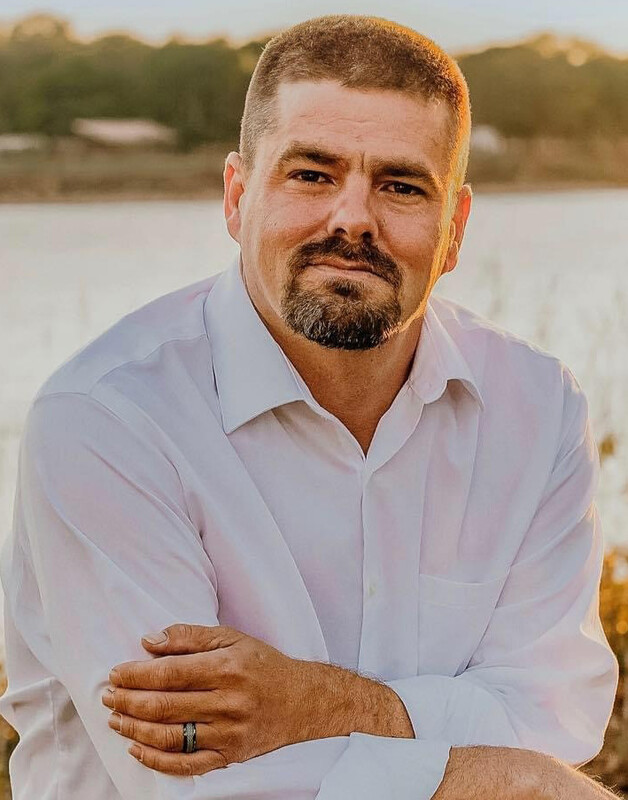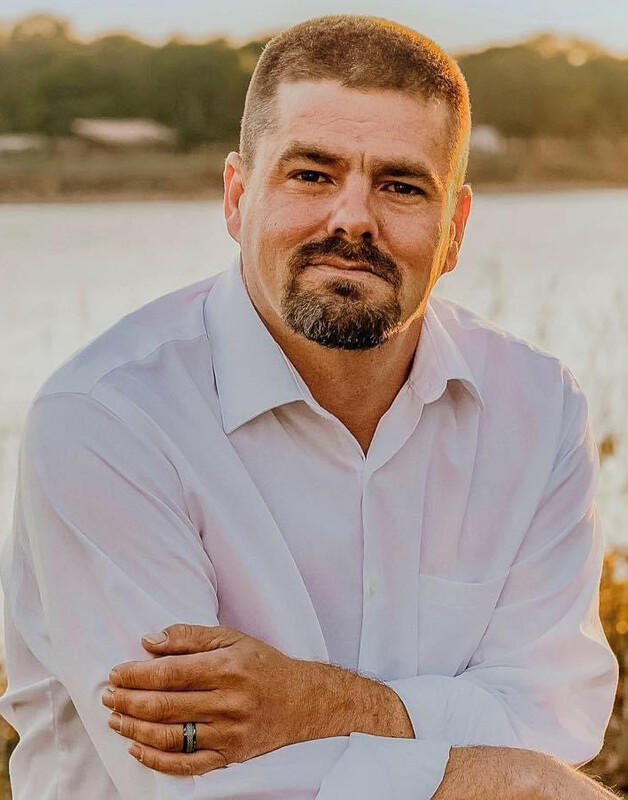
INTERVIEW with Eric Halstead
Eric brings the weight of lived experience to every story he tells. With nearly two decades of military service—including time in the U.S. Army and the U.S. Coast Guard—Eric writes with the rare authority of someone who’s been there. His deep understanding of duty, sacrifice, and the moral complexities of life in uniform shapes every page he pens. After retiring from active service due to medical reasons, Eric turned to writing not just as a creative outlet, but as a mission. His stories are grounded in gritty realism and emotional truth, capturing the honor, tension, and brotherhood that define life in and out of combat. Readers come for the action—but stay for the heart, the humanity, and the unflinching honesty behind each character. When he’s not crafting page-turning military thrillers, Eric enjoys time with his wife, four daughters, and grandson. Whether he’s out exploring new places or following political developments, he brings a storyteller’s curiosity to everything he does. His writing isn’t just entertaining—it’s lived-in, powerful, and unforgettable.
6/9/202619 min read
What initially inspired the concept or the central conflict of your latest screenplay?
As a medically retired Army combat veteran, I know this world and have lived in it in a way that doesn’t fade when the uniform comes off. It’s in the memories that surface at unexpected times, in the habits I still carry, and in the way I read people and situations almost without thinking. The military isn’t just something I did; it’s a world that shaped how I see everything—from trust and leadership to fear, humor, and survival.
I remember the physical side of it: the weight of body armor digging into my shoulders, the helmet strap cutting into my chin, the way the ruck seemed to grow heavier with every mile. I remember the heat radiating off the vehicles, the way dust stuck to sweat, the smell of fuel and burned powder, and the constant background noise of engines, radios, and distant blasts. There’s a particular texture to that environment that never quite leaves you once you’ve lived in it.
But it’s more than just equipment and terrain. It’s the rhythm of days that swing between monotony and adrenaline. It’s the long stretches of waiting—cleaning gear, checking and rechecking equipment, trading the same jokes again and again—because you never really know when the next call, the next mission, the next contact will snap everything into high alert. It’s the way your senses sharpen without asking permission: scanning rooftops, windows, roadsides, reading faces and body language, always asking yourself what feels out of place.
The real heart of that world, though, is the people. It’s the unspoken trust you place in the person next to you, the knowledge that they’re counting on you just as much as you’re counting on them. It’s the dark humor that shows up in the worst moments, not because anything is funny, but because you need to break the tension just enough to keep moving. It’s the nicknames, the rituals, the arguments that blow over quickly because you may need each other an hour later. Those bonds are hard to explain to someone who hasn’t been there, but they’re at the center of everything.
And then there’s what comes after—the part most people don’t see. The transition home isn’t just about changing jobs or moving to a new place; it’s about re-learning how to live in a world that doesn’t operate by the same rules.
The skills that kept you sharp over there—hypervigilance, strict routines, a constant readiness for danger—don’t always translate cleanly into civilian life. Ordinary situations can feel strange, too loud, or too quiet. You notice exits, crowds, and sudden movements. You might feel disconnected even when you’re surrounded by people.
Those experiences, both in uniform and out of it, shape how I tell stories. When I write from a combat veteran’s perspective, I’m not guessing what it might feel like; I’m returning to places I’ve actually been—mentally, emotionally, and physically. I know how a conversation changes when bad news arrives. I know the look someone gives when they’re trying to hide fear, and the way a joke can land like a lifeline at exactly the right moment. I know that heroism doesn’talways look cinematic; sometimes it’s quiet, steady, and unnoticed by almost everyone.
Because of that, storytelling for me isn’t about piling on stereotypes or dramatizing war just for shock value. It’s about capturing the small, specific details: the way radio chatter sounds in your ear, the nervous energy in a cramped vehicle before you roll out, the silence when you come back and see who’s missing. It’s about showing that courage and vulnerability can coexist, that strength doesn’t mean the absence of fear, and that the real impact of service often shows up long after the last deployment.
All of this makes it much easier for me to visualize the stories I tell and to keep them honest. I can hear the cadence of the dialogue, feel the tension in a room, and understand why a character reacts the way they do—because I’ve seen, felt, or lived something like it. That authenticity matters not just for the audience who have worn the uniform, but also for those who haven’t and are trying to understand this world through the pages or on the screen.
My goal is to honor the reality of that life without glorifying or simplifying it. I want veterans and their families to recognize the truth in the characters and moments, and I want civilians to come away with a clearer, more human understanding of what service and its aftermath really look like. In every story I tell, I bring that lived experience with me, using it as a compass to keep the narrative grounded, respectful, and real.
Could you walk us through your creative process—from the initial "logline" and outlining to the final polished draft?
Because I base my screenplays on books I’ve already written, my process is a little different from most and very iterative. I always start with the finished book and treat it as my foundation, using it to pinpoint the core story I want to bring to the screen: the main plot, the emotional journey, and the themes I want to lean into. From there, I build a detailed outline, beginning with the opening and ending chapters or major beats, so I know exactly where the story starts and where it needs to land. Those two points act like anchors that keep me focused and give the whole project direction.
Once I’ve set those bookends, I fill in the middle of the outline, deciding which scenes, characters, and subplots are truly essential for the screenplay and which can be condensed, combined, or cut. I pay close attention to what will play well on screen and what I can convey through action, expression, and silence rather than explanation. I’m constantly asking which moments will create the strongest images, which lines of dialogue earn their place, and which parts of the book are powerful on the page but won’t translate directly to film.
I usually go through this outlining process seven or eight times, revisiting each chapter and section, tweaking the structure, and expanding the material a bit with every pass. Each time, I clarify character motivations, sharpen emotionalbeats, and tighten pacing, always thinking about how each moment will feel to an audience watching it unfold in real time. Over time, that outline grows from a rough sketch into a detailed roadmap that shows me not just what happens in each scene, but why it matters, how it changes the characters, and how it connects to the bigger arc of the film. Only after all those rounds of revision— once the story feels clear, focused, and emotionally grounded—do I sit down to write the actual screenplay.
When I’m ready to start scripting, I follow a similar approach with even more focus on structure and character. I break the story into acts—usually three, with extra beats if needed—and build an outline that spells out the purpose, tension, and turning points of each act. I want to know where the story takes off, where it gets complicated, where it turns, and where it resolves before I write a single line of dialogue.
At the same time, I create a character sheet for every major and supporting character. I usually have an early version from the book, but I rework it for the script, adding details about how each character will come across on screen: how they look, how they talk, their habits and quirks, what they want, and what gets in their way. I also think about how they bounce off one another—who pushes them, who backs them up, and how those relationships change over the course of the story. These character sheets help me keep everyone consistent and make sure each character feels distinct and necessary.
Once I know what belongs in each act, I start building out the individual scenes. I lay out where each scene takes place, who’s in it, what each character wants in that moment, and how the scene moves the story forward. I look for chances to reveal character through choices and behavior rather than long explanations, and I plan where to build tension, where to give the audience a breath, and where to hit them emotionally. This is where I really think in terms of cinematic moments: what the audience sees, hears, and feels.
By the end of this stage, I’ve got a scene-by-scene guide that grows naturally out of the book but is shaped specifically for film. It gives me a clear, confident path into writing the full script, while still leaving room to discover new ideas along the way.
Through this whole process—from the first plotting of the book to the final pass on the screenplay—I’m aiming at two main goals. The first is to make sure the story flows smoothly and raises questions that stick with people, especially about moral choices and how different characters respond under pressure. I want readers and viewers to ask themselves, “What would I have done there?” or
“Was that decision really right?”
The second goal, which matters a lot to me as a military veteran, is authenticity. I want the world, the people, and the situations in my stories to feel real— especially when I’m writing about military life, high-stakes missions, or the emotional weight that comes with service and conflict. I pay attention to the small details: how people talk, the routines they fall into, the unspoken rules they live by, and the feelings they try to hide. My aim is for the reader or viewerto feel like they’re right there, standing beside the characters and experiencing the tension, fear, hope, and camaraderie with them.
If you pick up my screenplay or my book and feel pulled into the moment—if you find yourself questioning the characters’ choices and believing in the world they live in—then I’ve done what I set out to do.
How do you establish the visual style and tone of the story using only action lines and description?
For me, visual style and tone really start with specificity. On the page, I’m not trying to direct the camera with shot lists or fancy angles—I’m just trying to give you a clear, lived-in sense of what it feels like to be in that moment.
Because of my background as a combat veteran, I naturally lean on concrete, sensory details: what the air smells like, the weight of the ground under your boots, the rhythm of radio chatter, or how a room goes strangely quiet when bad news hits. A couple of sharp, specific details do more for tone than a big block of vague description, so I focus on the things that tell you if this world is tense, chaotic, intimate, or oddly calm.
I also use action lines to show how the character is experiencing the world, not just what the world looks like. The same street can feel completely different depending on what we notice—exits and shadows if someone’s on edge, or kids playing and music drifting out of a doorway if they’re finally breathing for a second. If a character is wired and alert, the description leans into glances, sharp sounds, and clipped sentences. If they’re in a rare moment of safety, I’ll slow the rhythm down and let softer details in. In that way, the style of the prose—short, punchy beats versus longer, smoother lines—does a lot of the heavy lifting for tone.
I avoid overloading the reader with visuals just because I can. Instead, I ask: what’s the one or two images that are going to stick with you from this scene?
Maybe it’s a helmet sitting on an empty chair, dust hanging in a shaft of light, or a hand that won’t quite stop shaking. If I can put those images on the page clearly and honestly, I know the director and cinematographer will have something strong to build on—and even just reading it, you’ll already feel the visual style and tone before anyone ever rolls the camera.
What were some of the biggest structural challenges you faced in this script, and how did you solve them?
Honestly, one of the biggest structural challenges with this script was juggling two very different worlds: the intensity of deployment and the quieter, but just as complicated, life after coming home. Both are essential to understanding the main character, but in early drafts, if I spent too much time in one timeline, the other started to feel thin. Some versions leaned hard into the action overseas, others stayed too long in the aftermath, and the story lost its balance. What finally helped was thinking of the structure like a conversation between past and present—every sequence in one timeline had to echo, answer, or complicate something in the other. If a scene didn’t push that back-and-forth forward, it got cut, combined, or reshaped.
Another big challenge was deciding how much of the larger military world to show without burying the personal story and then pacing it all so the quieter stretches still had energy. As a veteran, it’s tempting to include every detail and every kind of mission, but that can turn the script into a string of episodes instead of a focused journey. I kept coming back to one question: what is this character wrestling with, emotionally and morally? Once I locked onto that central arc, it became easier to see which scenes truly served it. I compressed sequences, merged characters, and built more tension into the “quiet” sections— unresolved conflicts, small choices that pay off later—so something was always moving. By the later drafts, it stopped feeling like disconnected set pieces and became more of a continuous emotional climb, which is what I was aiming for from the start.
Was there a particular scene or sequence that was especially difficult—or rewarding—to get right on the page?
There were a few scenes that were really tough to write, mostly because of the emotional weight and responsibility they carried. The hardest was probably the market-center scene where Loran Taylor is killed. Even though this screenplay is based on fiction, it’s stitched together from real experiences. That moment on the page wasn’t just a plot point for me—it was a doorway back into memories I don’t always choose to revisit. As I was writing it, I kept thinking about a similar real incident where a close friend was killed and everything that came after. The sounds, the confusion, the split-second decisions, the aftermath—all of that came back a lot sharper than I expected. Putting it down on the page meant walking a line between honoring what really happened and shaping it into something that served the story. It was emotionally draining, but it needed to feel honest.
Beyond that one sequence, the big ongoing challenge in both the screenplay and the book was balancing authenticity with accessibility. On one hand, I wanted to be true to military life—the language, the culture, the pressure, the way people actually talk and behave. On the other hand, I didn’t want to lose readers or viewers who’ve never been around that world. So I was constantly asking myself: Is this clear enough for someone with no military experience? Do I need to explain this, or can I show it in context? Is there enough detail for veterans to recognize the truth without burying everyone else in jargon? Finding that balance turned out to be a much bigger task than I expected, but it became one of the most meaningful parts of the project. It forced me to slow down, be really precise with my choices, and keep both audiences in mind—the people who’ve lived in this world and those seeing it for the first time.
How do you approach character arcs and developing distinct "voices" for your protagonists to bring them to life?
For me, character arcs start with one simple question: who is this person at the beginning, and who are they by the end? Especially writing from a combat veteran’s perspective, I think a lot about what they believe when we first meet them—about loyalty, fear, leadership, responsibility—and what specific experiences in the story will challenge or reshape those beliefs. Once I know what’s broken, missing, or unresolved in them at the start, I can design key moments that either push them deeper into that flaw or force them to confront it.
The arc becomes the emotional spine of the script: every major choice and turning point either tests their values, exposes their blind spots, or nudges them toward a new understanding of themselves.
Developing distinct voices is about grounding each character in their lived reality. I draw heavily on real people I’ve served with and observed—how they joke, what they avoid talking about, how they sound when they’re relaxed versus when they’re under pressure. On the page, it shows up in word choice, rhythm, and what they notice. A seasoned NCO won’t describe a room the same way a newly arrived civilian contractor would. One character might be blunt, using short, clipped sentences and dark humor; another might talk around their feelings, hiding behind sarcasm or technical language. I also pay attention to what each character doesn’t say—where they cut themselves off, where a silence or a half-finished sentence reveals more than a speech. By tying each voice to a specific background, set of values, and emotional wound, the characters start to sound and feel distinct without me having to force it on the page.
Independent writing often requires "writing for a budget"—what creative narrative solutions did you use to keep the story impactful but produceable?
Independent writing definitely means “writing for a budget,” but I treat that as a creative challenge, not a handicap. On this script, I leaned into contained, repeatable locations and character-driven tension instead of big set pieces— returning to a handful of key spaces, like the market center and the base, in different emotional contexts so the story feels big while production stays manageable. I relied on suggestion rather than spectacle, using sound, behavior, and aftermath—radio chatter, prep, and the quiet walk back from chaos—rather than expensive, wide-scale action. Along the way, I combined characters, compressed events, and made sure each scene did multiple jobs at once: moving the plot, deepening character, and reinforcing theme. In the end, “writing for a budget” forced me to strip away anything that was just there because it was cool, and focus on telling a human, emotionally honest story that an indie production can actually afford to make.
How did you first get into screenwriting? Was there a specific script or movie that made you realize this was your path?
I actually backed into screenwriting through my time in the Army and my work as a novelist. For a while, I was focused on telling these stories in book form, really digging into the inner lives of characters and the world I knew from deployment and coming home. But over time, I realized I wasn’t just writing paragraphs anymore—I was seeing shots, hearing dialogue, and feeling the cuts between moments like I was already watching the movie. There wasn’t one magic film that flipped the switch, but a handful of grounded, character-driven movies about service, trauma, and moral gray areas made me think, “That’s the space my stories live in too.” Screenwriting became the natural next step—a way to take the texture of military life, the transition home, the dark humor, and the quiet, heavy moments, and let people experience them in real time alongside the characters.
Which screenwriters or storytelling styles have influenced your work the most?
A lot of my biggest influences are less about specific names and more about a certain style—grounded, character-driven stories that are honest about the cost of violence. I’m drawn to scripts that live in the gray areas, where people are flawed, choices are messy, and heroism doesn’t always look big or cinematic.
My real north star, though, is my own background. I’m a medically retired Army combat veteran, so the world I’ve lived in—gear digging into your shoulders, boredom flipping to chaos, dark humor in bad moments—shapes how I write. It pushes me toward simple, specific, emotionally true moments instead of big speeches or clichés.
Because of that, I try to write in a way that trusts the audience: clean dialogue, meaningful silences, and a few sharp details that do more work than a page of explanation. The influence that matters most to me is authenticity—honoring the reality of military life and its aftermath without glorifying it, and keeping the focus on people, relationships, and the quiet acts of courage that usually go unnoticed.
How do your personal experiences or background influence the themes and "truth" of the stories you choose to tell?
As a medically retired Army combat veteran, I know this world and have lived in it. I have felt the weight of body armor, the ache of long deployments, and the quiet strain that lingers long after the mission is over. I have seen how war changes people in ways that are hard to explain to anyone who hasn’t been there, and how small moments of connection and humor can keep you going in the darkest places.
Because of that, telling stories from this perspective comes naturally to me. I can draw on real experiences—the sights, sounds, emotions, and unspoken rules of that life—which makes it easier to visualize scenes and keep them grounded in reality. That lived experience helps me create characters, dialogue, and situations that feel authentic to those who have served, while also making the world more vivid and believable to readers who haven’t.
In your opinion, what makes a unique screenplay so essential to the survival of independent cinema today?
In my opinion, a unique screenplay is essential to the survival of independent cinema because it’s the one thing that truly can’t be mass-produced. Big studio films can outspend indies on marketing, effects, and stars, but they often have to play it safe to justify those investments. Independent films don’t have that luxury, so their power comes from taking risks—telling stories that wouldn’t survive a corporate notes call, exploring perspectives that rarely make it to the screen, and leaning into voices that are too specific, too honest, or too challenging for a formula.
A unique script gives an indie film its identity. It can come from a world we don’t usually see, like the one I know as a combat veteran, or from a character who would never be the lead in a studio movie. It can come from the way the story is structured, its tone, or the moral questions it’s willing to sit with rather than resolve neatly. When an audience chooses an independent film, they’re often looking for that—something that feels real, personal, and unexpected, not just a variation of what they’ve already seen ten times.
I also think a unique screenplay builds trust with audiences over the long term. If people know that independent cinema is where they’ll find stories that are honest, specific, and unafraid to dig into uncomfortable truths, they’ll keep coming back, even without the big marketing push. For writers, that means leaning into what only you can bring—your background, your experiences, your way of seeing the world—because that’s exactly the kind of uniqueness independent cinema needs to stay alive and relevant.
How has completing this script changed you as a writer or storyteller?
Completing this script has changed me by deepening my respect for revision and pushing me toward more honesty on the page. I’ve always known rewriting matters, but this project showed me how much power lies in small changes— shifting a single line of dialogue, cutting a favorite sentence, or adding one beat of silence can completely transform a scene. Because so much of the story draws from my own experience as a combat veteran, I couldn’t rely on vague descriptions or clichés; I had to confront difficult memories and let vulnerability show through in my characters, which made me braver and more precise as a writer.
It also sharpened my sense of responsibility and clarified my voice. Writing about military life, loss, and trauma reminded me that I’m not just telling a story, I’m representing a world many people have actually lived in, and that affects how I handle violence, moral gray areas, and authenticity for readers with and without that background. By the final draft, I could see the themes I keep returning to—loyalty, moral conflict, quiet acts of courage, and the weight people carry after the fighting is over—and I now approach new work with a stronger commitment to those truths and to telling stories that feel honest, human, and grounded in lived experience.
What lessons about craft did you learn from this project that you’ll carry into your next script?
Nothing is perfect. There’s always room to make something better, and sometimes it really is just a single word change or a well-placed pause that shifts everything. This script drove that home for me. You can spend months or years outlining, drafting, revising—and then on your tenth pass realize that moving one line of dialogue or trimming a sentence suddenly makes a scene land the way you always hoped it would. Those small tweaks can sharpen a character’s voice, clarify an emotional beat, or turn a flat moment into something that actually sticks with people. It reminded me that while the big choices matter— where the story turns, how the acts are shaped, what the core conflict is—the emotional truth often lives in the smallest details: a glance described in half a line, a fragment of sound, a beat of silence on the page.
It also taught me a lot about letting go. Some of my early favorite lines or scenes didn’t make it into the final draft, not because they were bad, but because they weren’t serving the story anymore. Accepting that nothing is sacred, and that anything can be cut or changed if it makes the script stronger, is humbling but freeing—it keeps you focused on what the audience will feel now, not on what you loved three drafts ago. Overall, this project changed how I look at revision. I try to approach it with patience and curiosity rather than frustration, seeing each new draft as a chance to discover what else the story can become. I’m not chasing perfection anymore; I’m aiming for honesty, clarity, and impact, trusting that there’s almost always another way to make the work a little better.
Can you share any details about the genre or world you’re exploring in your current work-in-progress?
As a medically retired Army combat veteran, this world is something I’ve lived, not just researched, and it leaves a permanent mark. I remember the weight of the gear on my shoulders, the smell of dust and diesel, and that constant awareness that every decision might matter more than you realize in the moment. I’ve sat through those long stretches of boredom that can flip into chaos without warning, leaned on the small rituals that keep you grounded, and felt those unspoken bonds that form between people who’ve shared danger.
I’ve also lived with what comes after—the transition home, the invisible wounds, and the way everyday life can feel a little distant compared to what you’ve already faced. All of that shapes how I see things. It changes how I think about courage and fear, what loyalty really looks like, how humor works as a pressure valve, and what it means to keep going when life doesn’t snap back to “normal.”
Because of that, telling stories from this perspective doesn’t feel like guesswork; it feels like memory. I can pull from real moments—the cadence of radio chatter, the nervous jokes before a mission, the heavy silence after bad news, the way a small gesture between two people can mean more than a speech. That lived reality helps me see the scenes clearly, build believable characters, and tap into the emotional undercurrents running under the surface.
My goal is to keep the stories honest and grounded—to honor the experiences of those who’ve served, while also opening a door for people who haven’t. I want veterans to recognize the world and say, “Yeah, that feels right,” and I want everyone else to connect to it on a human level, even if they’ve never worn a uniform. That mix of lived experience and storytelling is what I try to bring to every project.15. Finally, what advice would you give to emerging screenwriters trying to get their first scripts noticed?
Don’t give up. There is no single right or wrong story—it’s your story, and there will be a time and place for it to be heard if you keep doing the work. I’ve been told directly by agents and producers that the world isn’t ready for more military movies, and in today’s climate, I understand that, but it didn’t mean my stories stopped mattering. It just meant I had to be patient, keep improving my craft, and trust that the right audience and the right moment would come.
Rejection is part of this path. You’re going to hear “no” for reasons that often have nothing to do with the quality of your writing—timing, trends, budgets, personal taste. You can’t control that. What you can control is showing up on the page, learning, and being willing to rewrite and refine without losing the heart of what you’re trying to say.
The other thing I’d say is: find your own voice and protect it. A lot of writers end up sounding the same because they’re chasing what’s popular or copying someone else. Your real strength is the perspective only you can bring—your background, experiences, sense of humor, and way of seeing the world. Lean into that. Be yourself on the page. Be different, even if it feels risky. If you keep writing, keep revising, and keep listening for your own voice instead of imitating someone else’s, your scripts will start to carry a truth people recognize.
It might take time, but that mix of persistence and authenticity is what will ultimately get your work noticed.