INTERVIEW with Brad Munoa
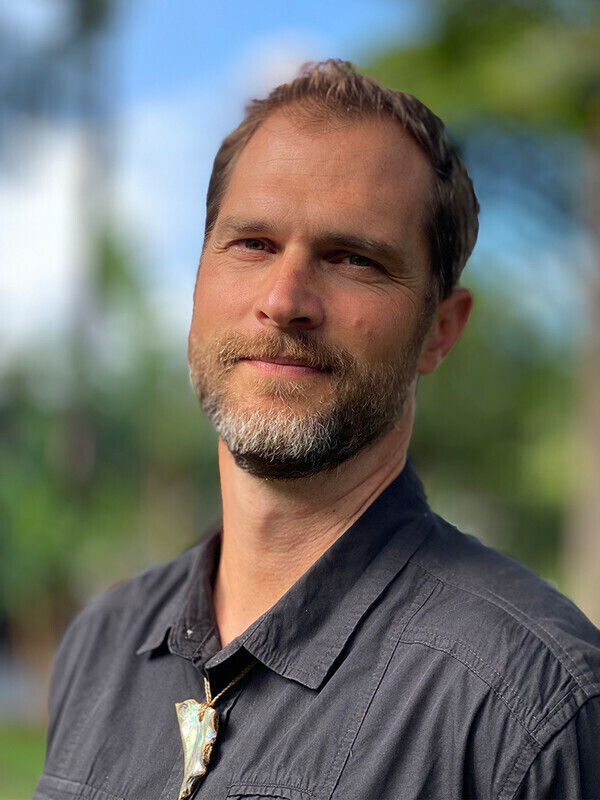
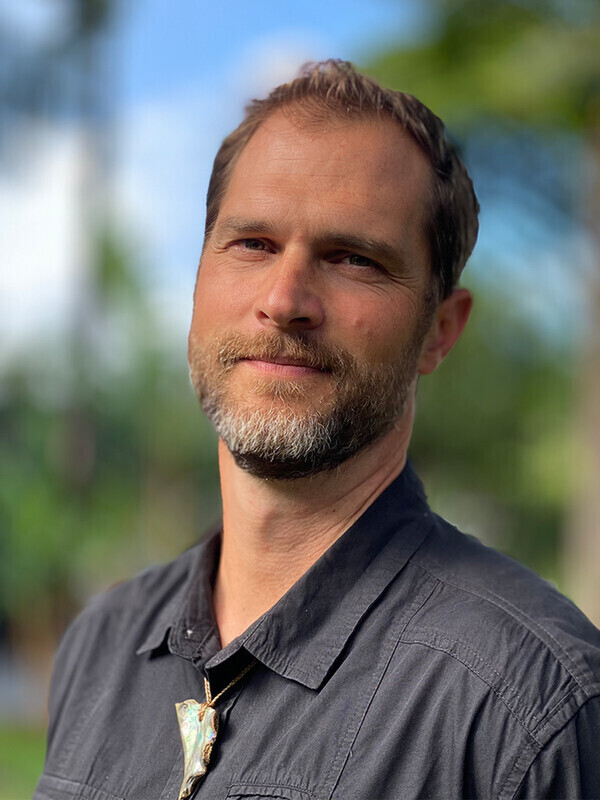
Brad Munoa is a writer, director, producer, and the Director of Pechanga Studios in Temecula, California. An enrolled member of the Pechanga Band of Indians, Brad has dedicated his career to telling authentic Native stories that preserve culture, correct false narratives, and bring hidden histories into the light. A graduate of the USC School of Cinematic Arts (2005), Brad has created award-winning content for the Pechanga Tribal Government and Pechanga Resort Casino, blending cinematic craft with cultural integrity. In 2017, he was selected to write and direct a documentary on the history of the Pechanga Band from early reservation life to the present day. He went on to direct his first feature documentary, The Mountain That Weeps, which chronicled a seven-year battle to protect Wexéwxi Pu’éska—a mountain sacred to the Pechanga Band of Indians. Brad is the creator of People of the West, a ten-part, premium documentary series that tells California’s Indigenous history through Native voices. Drawing from oral storytelling, rare archival materials, cinematic visuals, and educational consultation, the series will serve as the definitive account of California’s Indigenous history and is being adapted for inclusion in the state’s ethnic studies curriculum. Brad’s creative philosophy is “gathering light”—inspired by the ancestral basket and the camera aperture, both tools for collecting and sharing what is precious. Through his films, he seeks to gather the light of truth, illuminating stories long kept in darkness so they can inspire and empower future generations.
2/9/20265 min read
Can you tell us about your latest film project and the process you went through in bringing it to life?
Our latest project is People of the West, a ten-part docu-drama that reclaims California history through Native voices. Bringing it to life required years of research, collaboration with tribal communities, historians, and educators, and a commitment to both cinematic craft and cultural responsibility. The process was deeply collaborative and intentionally slow, because accuracy and trust mattered more than speed.
What inspired you to become a filmmaker and pursue a career in the film industry?
I was inspired by the realization that storytelling shapes who is seen, remembered, and believed. Growing up, I rarely saw my community represented accurately on screen, and filmmaking became a way to challenge that absence. It allowed me to preserve memory, confront erasure, and create space for stories and people that have been ignored.
What challenges did you encounter during the filmmaking process and how did you overcome them?
The biggest challenge was balancing ambition with responsibility while earning trust along the way. We were telling stories rooted in trauma, survival, and identity, and many Native communities are understandably cautious about sharing their histories because of generations of exploitation and misrepresentation. Overcoming that skepticism required time, transparency, and humility. We listened first, invited critique, involved communities in the process, and allowed the work to evolve at the pace trust demanded rather than forcing it forward.
What was the most memorable moment for you during the production of your film?
One of the most memorable moments came early in production, after years of research, writing, fundraising, and preparation, when we were finally on set filming. An actress was performing a scene in which Spanish soldiers restrain her in a corma, binding her legs. Watching that moment unfold, I wasn’t just seeing a performance, I was witnessing a physical expression of what our ancestors endured. It was a powerful reminder of the seriousness of the history we were carrying. When I walked up to thank her for the vulnerability it took to go there emotionally, I couldn’t speak. We were both in tears. We just looked at each other, nodded, and understood. In that moment, I knew this was the most important work I’ve ever done, and likely the most important work I ever will do.
Can you share any interesting anecdotes or behind-the-scenes stories from the making of your film?
We filmed interviews in virtual environments that placed participants in front of their ancestral lands. Watching interviewees react emotionally to seeing their homelands behind them was powerful and reaffirmed the importance of place in storytelling.
How do you approach storytelling in your films? What themes or messages do you try to convey?
I approach storytelling as an act of responsibility. The themes I return to again and again are truth, resilience, memory, and survival. I’m drawn to stories that humanize history and remind audiences that the past was lived by real people, not abstractions on a page.
Our guiding mantra is “gathering light.” Just as a camera aperture gathers light to create an image, our ancestors used baskets as gathering tools, weaving together essential elements to sustain community. We approach storytelling the same way, carefully weaving history, emotion, and craft to bring people together, challenge assumptions, and shed light on subjects that have long been kept in the dark. The goal is not only to educate, but to do so in a way that is meaningful, immersive, and genuinely engaging.
What is your preferred genre of filmmaking and why? Are there any specific directors or filmmakers who have influenced your work?
I’m drawn to documentary and hybrid storytelling because it allows truth and emotion to coexist. I’m especially influenced by filmmakers who combine historical rigor with empathy and cinematic language to confront difficult truths. Watching Raoul Peck’s Exterminate All the Brutes was particularly impactful for me. It showed how history can be told boldly and unflinchingly, centering voices that have long been excluded from the narrative. That series inspired me to pursue a similar approach in telling the story of Native Americans in California, whose experiences have been largely omitted from history books and mainstream media.
How do you select your cast and crew for your film projects? What qualities do you look for in collaborators?
We looked for collaborators who bring humility, curiosity, and integrity to the work. Technical skill matters, but trust and shared values matter more, especially when telling culturally rooted stories. For People of the West, it was imperative to assemble Native American collaborators wherever possible. We were guided by the principle of “no stories about us without us,” and sought writers, directors, producers, actors, and advisors who share lived experience with the histories we were telling. At the same time, we partnered with non-Native creatives who were deeply aligned with the mission and willing to listen, learn, and support the work with respect. Building that team required navigating availability and capacity, but the result was a collaborative environment grounded in accountability and shared purpose.
How important do you think film festivals are for independent filmmakers, and what has been your experience with them so far?
Film festivals are essential spaces for discovery, dialogue, and community. They give independent filmmakers the opportunity to share work with engaged audiences, connect with peers, and place their stories within a broader cultural conversation. For a project like People of the West, festivals also create space for discussion, reflection, and learning beyond the screen. We’ve found festivals to be invaluable in introducing the series to new audiences, and we’re excited to continue sharing this work with the world through those platforms.
Can you tell us about any awards or recognition your films have received and how they have impacted your career?
Recognition has helped amplify the work and open doors, but its greatest impact has been helping the films reach the communities they were made for. Awards matter most when they extend a story’s life and influence.
How do you handle feedback and criticism of your films? How do you use it to improve your craft?
I treat feedback as part of the process. Thoughtful criticism, especially from communities represented in the work, helps refine both craft and intent.
What do you enjoy most about the process of filmmaking? Is there anything you find particularly challenging?
I enjoy the collaborative nature of filmmaking and the moment when a story becomes larger than any single person involved. The most challenging part is carrying the responsibility that comes with telling stories that matter deeply to real people.
How do you approach the distribution of your films? What strategies do you employ to reach a wider audience?
I approach distribution as access, not just exposure. For People of the West, that means pursuing festivals and broadcast or streaming opportunities alongside a long-term educational strategy. From the outset, we developed curriculum to accompany the series and are actively working with the State of California to make both the episodes and classroom materials available to high schools statewide. The goal is for the work to live beyond a single release window and remain accessible, relevant, and useful for years to come.
What advice do you have for aspiring filmmakers who are just starting their journey in the film industry?
Tell the stories only you can tell, and do not rush the process. Learn the craft deeply, listen more than you speak, and understand your responsibility to the people whose stories you carry.
Finally, can you share with us your future plans and upcoming projects as a filmmaker?
I plan to continue developing work that centers Indigenous history, education, and cultural restoration. People of the West is the foundation for a larger body of work focused on truth, memory, and long-term impact.